


Terraces and gardens: ideas for creating attractive relaxation spaces in hotels
In large hotels, a nice terrace in photos doesn't guarantee actual usage. What determines if a relaxation space works is the combination of design + operation: climate comfort, flows, cleanliness, safety, noise control, maintenance, and a service that doesn't intrude on the experience. This guide proposes applicable ideas and decision-making criteria for creating or optimising terraces and gardens that remain attractive on a day-to-day basis, without becoming a burden for the team.
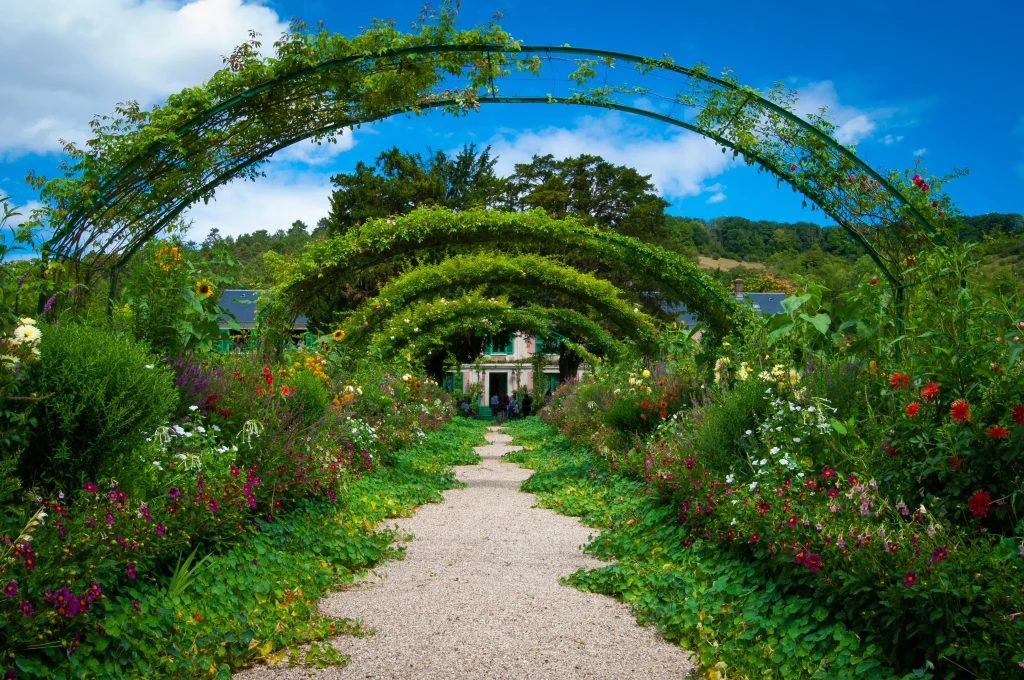
What makes a “relaxation” space truly work?
Before choosing furniture or planting, it's advisable to validate five factors that often explain actual usage:
- ComfortShade, temperature, surfaces that won't burn, protection from wind.
- Acoustics and privacya feeling of “being at ease” without excessive noise or a feeling of being on display.
- Accessibility and workflowsEasy to arrive, move without obstacles, service without intrusion.
- Cleaning and maintenanceIf the space deteriorates, it stops being “relaxing”.
- Clear proposalWhat do you do there (read, relax, gentle socialising, work, have a drink).
If a space does not define its purpose, it ends up being amorphous: nobody knows if they can talk, if they can work, or if they are “in the way”.
Design by “zones” for large hotels: avoid a single amorphous space
In a large hotel, it's difficult for a single space to serve everyone without conflict. Zoning allows for maximising use and minimising friction. Typical zones that work:
- Chill-out with no noise (reading, rest, privacy).
- Social soft (Copies, conversation, ambient without “disco mode”).
- Familiar (if applicable, with robust furnishings and clear rules).
- Work-friendly (suitable tables, sockets if applicable, stable WiFi).
- Wellness (near spa/pool, with a calm aesthetic).
- Modular events (movable furniture, fulcrum, timetable control).
The transition between zones matters: discreet signage and a layout that “guides” without forbidding.
Example of time-blocking (mental map) by time slots
The same garden can change its use throughout the day if the design allows. In the morning, breakfast/reading areas with gentle shade and tables usually work well. In the afternoon, the focus is on thermal comfort (actual shade and breeze) and loungers or sofas. In the evening, ambient lighting and the soft social area are enhanced, while maintaining a quiet area for guests seeking rest.
Shade, wind, and thermal comfort: the foundation of relaxation
The number one reason for “not being used” is climatic discomfort. Outdoors, the design must offer options: sun and shade, wind-protected zones, and comfortable surfaces.
Practical ideas (depending on climate and hotel regulations):
- Pergolas, sails and awnings for flexible shade.
- Parasols with secure base my plan for closing on windy days.
- Vegetable windbreak (hedges, climbers) or elements permeable to the wind.
- Natural ventilation and, where applicable, moderate cooling solutions (without promising universality).
- Materials that do not “burn”Flooring, upholstery, and exposed metals can ruin comfort in summer.
Garden comfort checklist for usability
Before investing in a specific area, check: actual shade hours, ambient noise, accessibility and barriers (steps), proximity to toilets, night lighting, drainage (puddles) and WiFi coverage if you expect work-friendly use.
Furniture and layout: comfortable, durable, and easy to operate
In large hotels, furniture isn't chosen solely for aesthetics. It's chosen for durability, ease of cleaning, replacement, and operation during peak times. A balanced mix usually includes: sun loungers, sofas, coffee tables, high tables, benches, and individual nooks. The important thing is that the layout allows for different uses without having to rearrange everything every day.
Practical criteria
- External resistance and weatherproof textiles.
- Modularidad/apilable for events or changes in capacity.
- Ease of cleaning (materials and access).
- Distances for serviceIf the staff can't get through, the service becomes slow and chaotic.
Anti-chaos distribution for service and cleaning (corridors and support points)
Operational rules that tend to avoid problems: clear corridors for service and evacuation, discreet collection points, nearby storage (cushions, blankets, tools), and a layout that supports peaks without moving all the furniture. If the space requires daily reconfiguration, it will end up poorly operated.
Lighting: atmosphere without losing safety

Exterior lighting in a hotel should create atmosphere without causing incidents. It works well to think in layers:
- Functionalsteps, stairs, level changes, bathroom access.
- Environmentgarlands, beacons, non-glare indirect lighting.
- AccentsVegetation, water features, discreet “wow” pieces.
The operational key is maintenance: what's pretty that breaks down every week becomes a complaint and a risk.
Common hotel exterior lighting errors
To dazzle guests, leaving dark areas in walkways, visible or fragile wiring, systems difficult to maintain, and attracting insects in food areas due to poorly placed lighting. Lighting must be designed with cleaning, restocking, and nighttime safety in mind.
Low-maintenance vegetation and landscaping, a key factor in large hotels?
Landscaping can create a “wow” effect without breaking the bank on maintenance if it's designed with operational logic: climate-resistant plants, grouping by water needs, efficient irrigation, and permeable soils. A practical strategy is to combine Structural green (hardy and perennial base) with flower points Seasonal colour in controlled areas, for visual impact without high daily upkeep.
Irrigation and drainage: what decides if the garden will be a problem or an asset
Irrigation and drainage are operational, not decorative, decisions. The aim is to avoid puddles (slips), excessive dampness (pests), and soil degradation. Typical solutions include dripping where applicable, zoned control, well-designed slopes, and maintainable drainage points. If drainage fails, “relaxation” turns into incidents.
What is virtual check-in at a hotel?
In large hotels, a nice terrace in photos doesn't guarantee actual usage. What determines if a relaxation space works is the combination of design + operation: climate comfort, flows, cleanliness, safety, noise control, maintenance, and a service that doesn't intrude on the experience. This guide proposes applicable ideas and decision-making criteria for creating or optimising terraces and gardens that remain attractive on a day-to-day basis, without becoming a burden for the team.
Acoustics and coexistence: conflict-free relaxation with rooms and neighbours
An outdoor space can elevate the experience or become the main source of complaints. In large hotels, noise needs to be designed and managed.
- Positioning of speakers and music zones away from sensitive rooms.
- Vegetation barriers or elements that reduce spread.
- Materials that absorb and do not amplify.
- Event management with planned setup and breakdown times.
When there are complaints, it's usually not the music itself that fails, but the lack of clear rules and follow-through.
Tiered usage policy: how to maintain “relaxation” without banning everything
A soft policy works better than a list of prohibitions. For example: music-free zones, moderate volume during certain hours, defined times for events, and friendly signage (“quiet zone”) that guides the guest without confrontation. Consistency in operation avoids arguments.
Elements to enhance relaxation (without major renovations)
There are high-impact elements that often require less work than a complete redesign:
- Water sounds (fountains) to mask ambient noise.
- Outdoor curtains or textiles to create a sense of shelter.
- Hammocks, cabanas or semi-private nooks.
- A discreet “Instagrammable” spot (without encroaching on the space).
- Blankets for cool evenings and a collection/stock system.
- A small “bibliopoint” or reading area, if it suits the hotel.
The key is that these elements have a maintenance and replacement plan; if they degrade quickly, they subtract more than they add.
Service and monetisation without breaking the experience
Outdoors, the service should add value without visually overwhelming or turning the space into a “battle terrace”. In large hotels, it works well to define a clear operation: ordering points, a concise menu, controlled self-service if applicable, or QR ordering if the hotel supports it. The aim is not to promise revenue, but to capture existing demand and improve satisfaction.
Ideal letter for a terrace/garden oriented towards relaxation (operable)
Opening: floors (slips/puddles), furniture and stability, general cleanliness, bins, check of functional lighting, condition of nearby toilets if applicable, signage and replenishment of textiles. Closing: waste collection, protection/storage of textiles, check of electrical items, tidiness of service points and identification of issues for maintenance.
Phased implementation plan (for large hotels)
To avoid “stopping the hotel,” it's advisable to work in phases:
- Diagnosis and quick winsComforting shade, cleanliness, basic layout, unobtrusive signage.
- Zoning and furnishingCreate areas with purpose and flow.
- Lighting and landscapingLow-maintenance light and green layers.
- Operation and trainingRoutines, checklists, coordination with F&B, maintenance and security.
Success depends on aligning design with operation: if the team can't maintain it, the space deteriorates.
Frequently asked questions about hotel terraces and gardens
What's the first thing I should improve so that the terrace is used more?
Comfort usually comes first: real shade, comfortable seating, and a clear proposal for use (quiet zone, soft social, work-friendly). If guests don't feel comfortable due to sun, wind, or lack of privacy, they won't stay. A small change in shade and layout usually generates more use than an aesthetic renovation.
How do I design a terrace for different audiences without conflict?
With zoning and soft rules by strips. Create areas with purpose (quiet, social, family, work-friendly) and avoid mixing incompatible uses. Transitions between zones and discreet signage help guide behaviour without prohibiting. At night, limit the impact of the social area with orientation and volume control.
What furniture works best in large hotels?
The one that combines comfort with operation: resistant to outdoor use, easy to clean, modular or stackable for busy periods and events, and simple to restock. A mix of sun loungers, sofas, low/high tables, and individual seating areas usually works. Prioritise distances for service and clear aisles so the team can work without chaos.
How do I reduce maintenance without losing visual impact?
Select climate-resilient vegetation, group plants by water needs, and design with “structural green” as a base with controlled points of flowering or accent. Ensure efficient irrigation and good drainage. Sustained visual impact depends more on ease of maintenance than on delicate plants that degrade quickly.
How do I stop noise from causing complaints?
Design and operate: orient music and social areas away from sensitive rooms, use vegetation barriers or elements that reduce spread, define event schedules and a policy for use in time slots. Maintain a music-free zone. Noise is best managed with consistency and foresight rather than “fire-fighting” after complaints.
Here's a minimum checklist to operate a garden/terrace well:* **Watering:** Check soil moisture daily or every other day. Water deeply when needed, focusing on the roots.
* **Weeding:** Regularly remove weeds to prevent competition with your plants.
* **Pest & Disease Check:** Inspect plants for any signs of pests or diseases at least weekly. Address issues promptly.
* **Fertilising:** Follow a fertilising schedule appropriate for your plants and their growing season.
* **Pruning/Deadheading:** Remove dead or dying leaves and flowers to encourage new growth and maintain plant health and appearance.
* **Tidying:** Keep the area clean and free of debris – fallen leaves, dropped fruit, etc.
* **Tool Check:** Ensure tools are clean and in good working order.
* **Sun/Shade Assessment:** Observe how sunlight changes throughout the day and in different seasons, and adjust plant placement or care accordingly.
One opening and one closing, plus a quick check at peak times. Includes floors (puddles/slips), furniture, cleaning and waste, functional lighting, textiles (cushions/throws), night-time security and incident detection for maintenance. With simple shift-based routines, the space is kept consistently appealing.
You may also be interested in



REQUEST YOUR DEMO TODAY
Discover how Lean Hotel System can transform your hotel business