


Virtual check-in in hotels: a complete guide for guests and managers
Virtual check-in has become one of the innovations most in demand by travellers and hotel managers. It allows check-in to be carried out digitally, without the need to go through reception, which speeds up the customer experience and optimises resources for the hotel.
From our position as a technology provider in the industry, we experience first-hand the challenges faced by hoteliers and how a modern management system can make a difference. The evolution of the Hotel PMS has evolved from a control tool to a strategic driver of efficiency, personalisation and data-driven decision making.
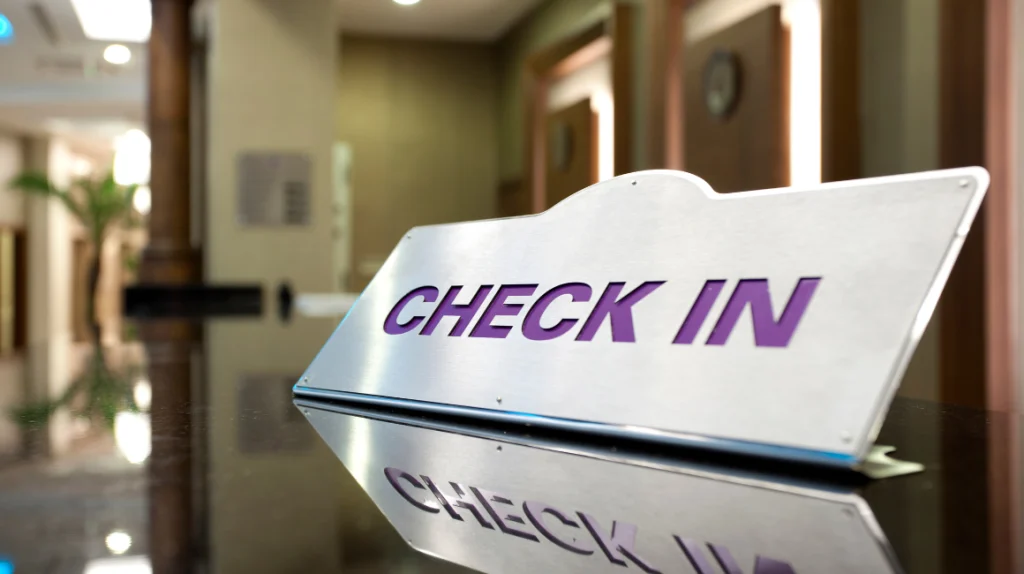

What is virtual check-in at a hotel?
It is a digital process that replaces face-to-face check-in. The guest fills in their details and validates their identity through an app, a website or a smart device at the hotel. Once confirmed, they receive a code or digital key that allows them to access their room directly.
Virtual check-in vs. traditional check-in: advantages and disadvantages
Virtual check-in brings speed, convenience and efficiency, while the traditional method still offers the human contact that some guests value. The key is to combine both approaches: keep the face-to-face option for those who prefer it and offer the digital option for those seeking speed and autonomy.
Benefits of virtual check-in for hotels and guests
The customer avoids waiting at reception, especially at peak times or in hotels with a high volume of arrivals.
Guests can complete the process from their own device, at a time that suits them, with a more seamless experience.
Moreover, the sector is a social barometer: it reflects changes in consumer habits, technological developments and economic transformations.
Investing in hotel technology is not an option, it is a necessity to stay competitive.
By eliminating physical contact with traditional documents or keys, sanitary measures and customer confidence are reinforced.
Hotels can reduce the number of staff assigned to routine tasks and focus resources on personalised service or higher value-added activities.
Challenges and problems of virtual check-in
Technological barriers for some guests
Although not all travellers are comfortable with the technology, virtual check-in is very intuitive and increasingly accepted. In cases where a customer may have difficulties, a face-to-face alternative can always be offered as a back-up, ensuring that no one is left out of the experience.
Legal identification requirements
Regulations require rigorous control of guests' identity. Today there are digital solutions that validate passports and documents in seconds, ensuring security and legal compliance without complications for the customer.
Possible technical issues
As with any digital system, unforeseen events can occur. The key is to have contingency plans: 24/7 support, manual alternatives and clear procedures. In this way the guest will always have guaranteed access and the hotel conveys confidence and professionalism.
Current challenges facing the hotel industry
Do I always need a smartphone for virtual check-in?
Generally yes, as most processes are completed from an app or web link. Still, many hotels have tablets at reception or digital kiosks for those who cannot use their own device.
Is it really safer than checking in at reception?
Yes, virtual check-in uses data encryption, automated document validation and, in some cases, biometrics. This reduces the risk of human error and better protects guest information.
What happens if I arrive without having completed the digital check-in?
No problem: the hotel must always offer a face-to-face alternative. Virtual check-in is an advantage in terms of speed and convenience, but it is never a complete substitute for reception service.
How does it affect the work of reception staff?
It frees the team from repetitive tasks such as taking data or handing over keys, allowing them to focus on what brings the most value: welcoming, resolving queries and personalising the customer experience.
You may also be interested in


REQUEST YOUR DEMO TODAY
Discover how Lean Hotel System can transform your hotel business